Last week I shared a checklist. But a checklist isn’t the same thing as a plan.
When my dad had both of his knees replaced at the SAME TIME, it was clear that we needed to address the issue of grab bars in the shower closest to his room at the time. The curb on the shower is a solid 8” above the finish floor, and despite being roomy, there was not a grab bar in sight. My father insisted that suction cup grab bars would be sufficient for the task, and that he didn’t need to have anything installed. It would just be a waste of money. Some degree of argument ensued. I won, and we had actual grab bars installed into the walls by the end of that week.
Scalpel Renovations vs Whole House Renovation Thinking
The scalpel approach to renovations can often be more challenging and more expensive than thinking about the house as a whole. For example, modifying a single bathroom in an existing main bedroom on the second floor to make it wheelchair accessible requires modifications to the stairwell or a place for an elevator. It might mean changes to another bedroom or closet space. Adding new plumbing on a second floor is always challenging.
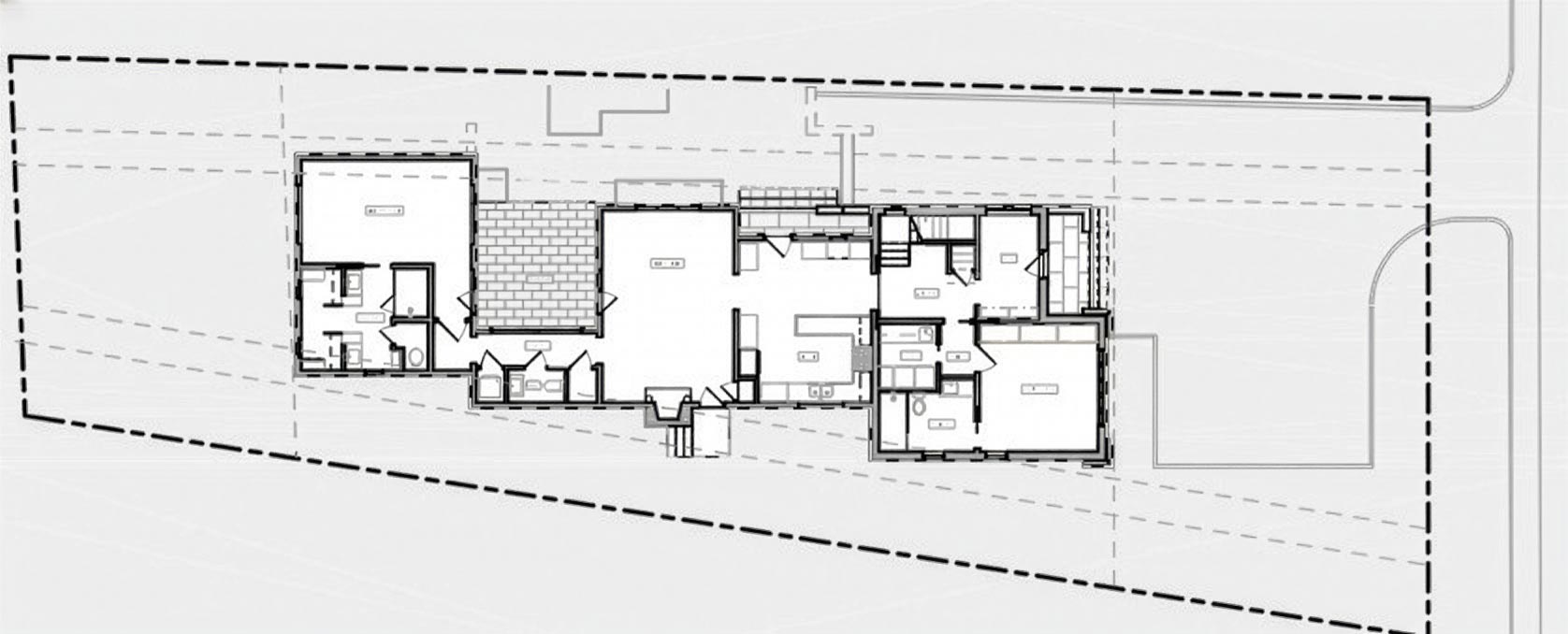
But what might it look like to add a bedroom suite on the main level. Could it be done with less invasive construction? Could it take less time? Or even better, how about designing the addition currently under consideration for the couple in their thirties to be useful to a couple in their eighties? That’s forward thinking, and it means considering the whole house, not just a room in isolation.
What If vs. What Now
Thinking about a new home or a renovation strategically means understanding what might happen down the road. That could be a temporary condition, like a knee replacement or an injury, or it could be a loss of balance, or visual or hearing impairment. It could mean that when you sell the home, you are appealing to buyers who are looking for their forever home, and your house fits the bill.
Consider the difference between a whole house strategic plan, where aging in place is built into the renovation or new construction, versus adding grab bars with suction cups in an emergency. Homeowners are dealing with enough stress associated with rapid change from an accident or surgery. Adding construction to an already complex situation seems like a poor choice.
Strategic Planning for Aging in Place
Anticipating change is what we do here at TPD. And while we all know that change is inevitable, our experience with clients and as CAPS professionals helps us understand what change might look like for our clients. And that is true not just for our “aging in place” projects. Our job is to understand families and how their needs change over time. That might mean a driveway for teenagers with new licenses, a toy room for grandkids, a reading nook for quiet contemplation, or a downsized cottage for empty nesters.
This is the kind of strategic thinking that goes into every project at TPD—whether you’re renovating or building new. More next week on what makes a home worth living in for decades.
About Taylor Plosser Davis, AIA
Taylor Plosser Davis, AIA, is the founder of TPD Architecture + Design — a Forbes-recognized residential architecture firm specializing in aging-in-place and luxury senior living design. She holds CAPS certification (Certified Aging-in-Place Specialist) and serves as the 2026 President of AIA Birmingham. With nearly two decades of residential practice, Taylor works at the intersection of beautiful design and long-term livability — what she calls invisible accessibility. She consults with design professionals and developers on aging-in-place strategy and speaks on the future of residential design for an aging population.